
Good vs Bad Backlinks: How a Backlink Helper Framework Boosts Your Rankings
Link Building for SEO: A Beginner’s Guide with Backlink Helper Insights
Link building remains a pillar of SEO success, helping pages rank higher and drive organic traffic. This guide dives into the essentials—what makes a link "good" or "bad"—and introduces practical tactics that act as your "backlink helper" to streamline your outreach and strategy.
Table of Contents
- Why Link Building Still Matters
- Good vs. Bad Backlinks: Key Differences
- Common Link Building Strategies
- Advanced Tactics: Outreach, PR, Resource Pages
- Evaluating Backlink Quality: Metrics to Watch
- Avoiding Link Spam and Risky Practices
- Conclusion
Why Link Building Still Matters
Link building acts like "votes" for your webpage—each quality backlink signals to Google that your content is trustworthy and relevant. While Google's algorithms now factor in many signals, building a network of high-quality backlinks continues to impact rankings and visibility.
Good vs. Bad Backlinks: Key Differences
- Good backlinks: From relevant, high-authority domains; placed in content contextually; varied anchor text; and often editorial in nature.
- Bad backlinks: From spammy sites, PBNs, irrelevancy, over-optimized anchor text, or link schemes. These can trigger Google penalties or dilute SEO impact.
Common Link Building Strategies
Adding, Asking, Buying, Earning Links
Link building tactics generally fall into four categories: adding links, asking for links (outreach), buying links, or earning links through creating valuable content. Although buying links is the simplest, it comes with the highest risk due to potential algorithmic penalties.
Broken Link Building with a Backlink Helper Approach
Use tools like Ahrefs Site Explorer to scan for broken outgoing links on competitor or resource pages. Then, reach out offering your content as a useful replacement—a proven “backlink helper” tactic that adds value to site owners and benefits your SEO.
Advanced Tactics: Outreach, PR, Resource Pages
- Outreach & Relationship Building: Building relationships with website owners over time leads to more effective link requests.
- Resource page link building: Target pages listing relevant resources—many contain outdated links that you can replace with yours.
- Digital PR & unlinked mentions: Offer expert quotes, attention-grabbing stories, or ask websites that mention you to convert mentions into links.
Evaluating Backlink Quality: Metrics to Watch
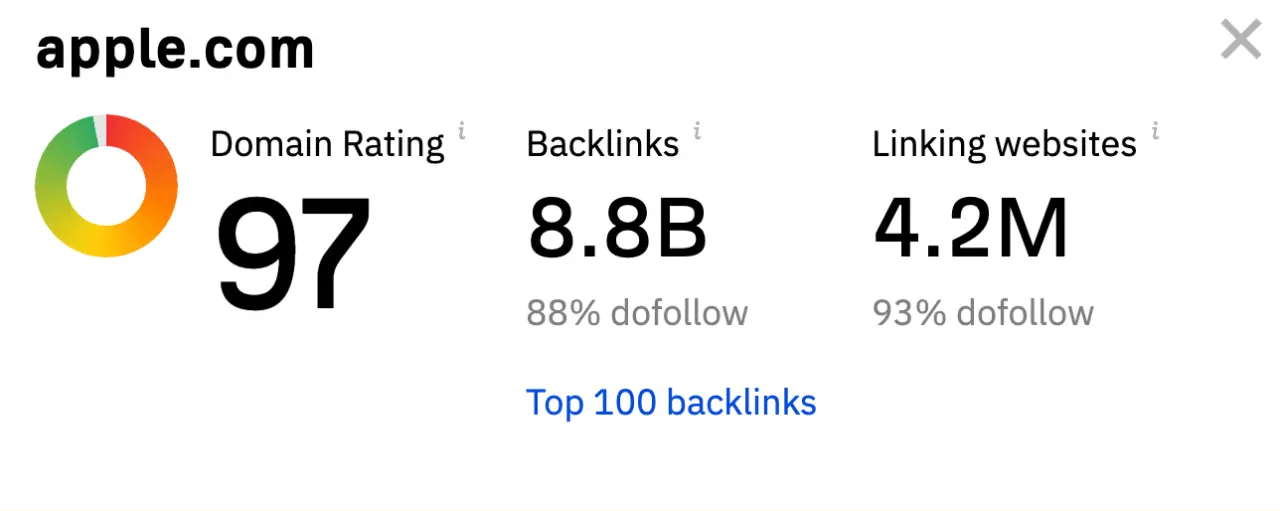
- Domain Rating (DR), referring domains, organic traffic of linking pages, and link context (follow vs nofollow, anchor text) are key indicators.
- Use Ahrefs Backlink Checker to analyze followed vs nofollowed links, anchor text, and even export disavow files if needed.
Avoiding Link Spam and Risky Practices
Not all bad links trigger penalties immediately, but they can harm long-term SEO. Google often devalues bad links algorithmically, but manual actions require caution when using the disavow tool. Only disavow links if you’ve received manual action or suspect prior manipulative tactics.
Conclusion
Effective link building requires a strategic, value-driven approach. Whether you use broken-link replacement via a “backlink helper” method or build genuine outreach relationships, prioritize relevance, quality, and sustainability. Let the links you build reflect your content’s value—Google rewards authenticity.
Recommendations
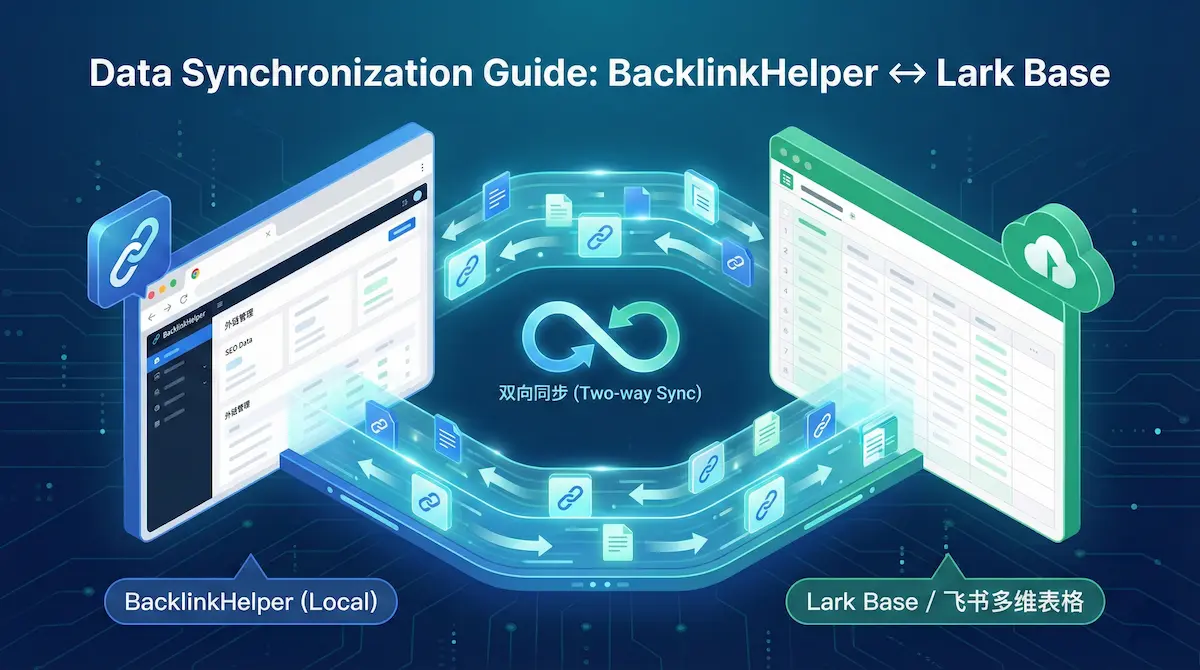
Lark Base (Feishu) Data Sync Guide | BacklinkHelper Manual
Learn how to set up two-way synchronization between BacklinkHelper and Lark Base (Feishu). A step-by-step guide on API authorization, group binding, and auto-sync features.

Automate Blog Commenting: The Safe 'Cyborg' Strategy
Let's be real: manual commenting sucks. Here is how to use AI and smart tools to automate the boring parts without getting your site penalized.
How to Track Guest Post Links Free: A Real-World Guide
Stop paying for expensive SEO tools just to track links. Learn the practical, free ways to monitor your guest posts using Google Sheets, GSC, and smart free tools.
Comments
No comments yet